
News • January 30, 2026
Are "nature-based solutions" economically viable?
Supports

Nature-based solutions: a profitable investment still underutilized
In its 2023 State of Finance for Nature report, the United Nations Environment Programme (UNEP) sounds the alarm: annual financial flows towards Nature-based Solutions (NbS) ($200 billion in 2023) need to triple by 2030 to reach the objectives set by the Global Biodiversity Framework and the Paris Climate Agreement. Currently, the public sector provides most of the financing, while private investors remain on the sidelines.
Yet the numbers make a compelling case for these projects. The study reveals that the 83 analysed solutions, covering 1,588 hectares in the Alps, generated ecosystem services valued at €639 million—far exceeding the €225 million invested, by a factor of 2.8.

Flood protection: the economic driver
In this study, flood control alone accounts for 92% of the total monetary value of generated ecosystem services. Indeed, the damage caused by flooding to urban infrastructure, roads, and agricultural lands amounts to millions of euros, making flood risk reduction easily monetisable.
Other benefits, such as habitat improvement, pollutant removal, and social and cultural advantages, were not included in the calculations due to lack of data and robust monetisation models. Their inclusion would likely have further strengthened the NbS' economic performance.
The Bolzano example: when nature protects the city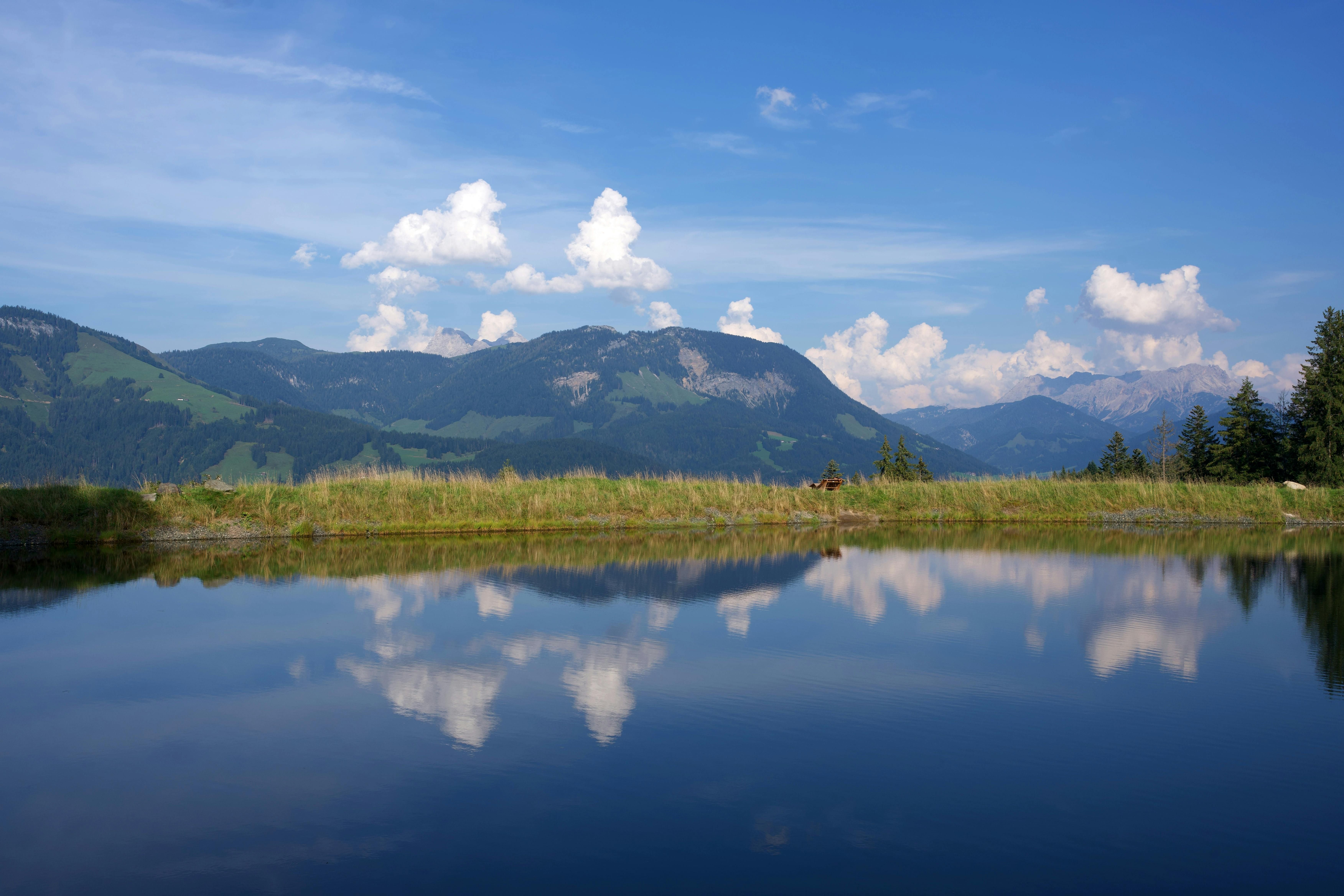
In Bolzano, Italy, an urban park with a lake was created on abandoned agricultural land. The results: reduced exposure to heatwaves, enhanced carbon sequestration, and a 63% improvement in stormwater retention. Some 3,500 people and infrastructure valued at over €5 million now benefit from a greater protection from flooding.
The benefits, estimated at approximately €6 million, exceed the project's total cost of €1.8 million—enough to convince private investors that nature-based solutions are much more than an ecological gamble.